Researchers Uncover Genetic Markers Associated with Preterm Births in Indian Women
The study has identified 40 genetic variants/mutations that are associated with preterm births in Indian women, with one mutation being strongly associated. The study also found 66 genetic variants that can help predict which women are at higher risk for preterm birth
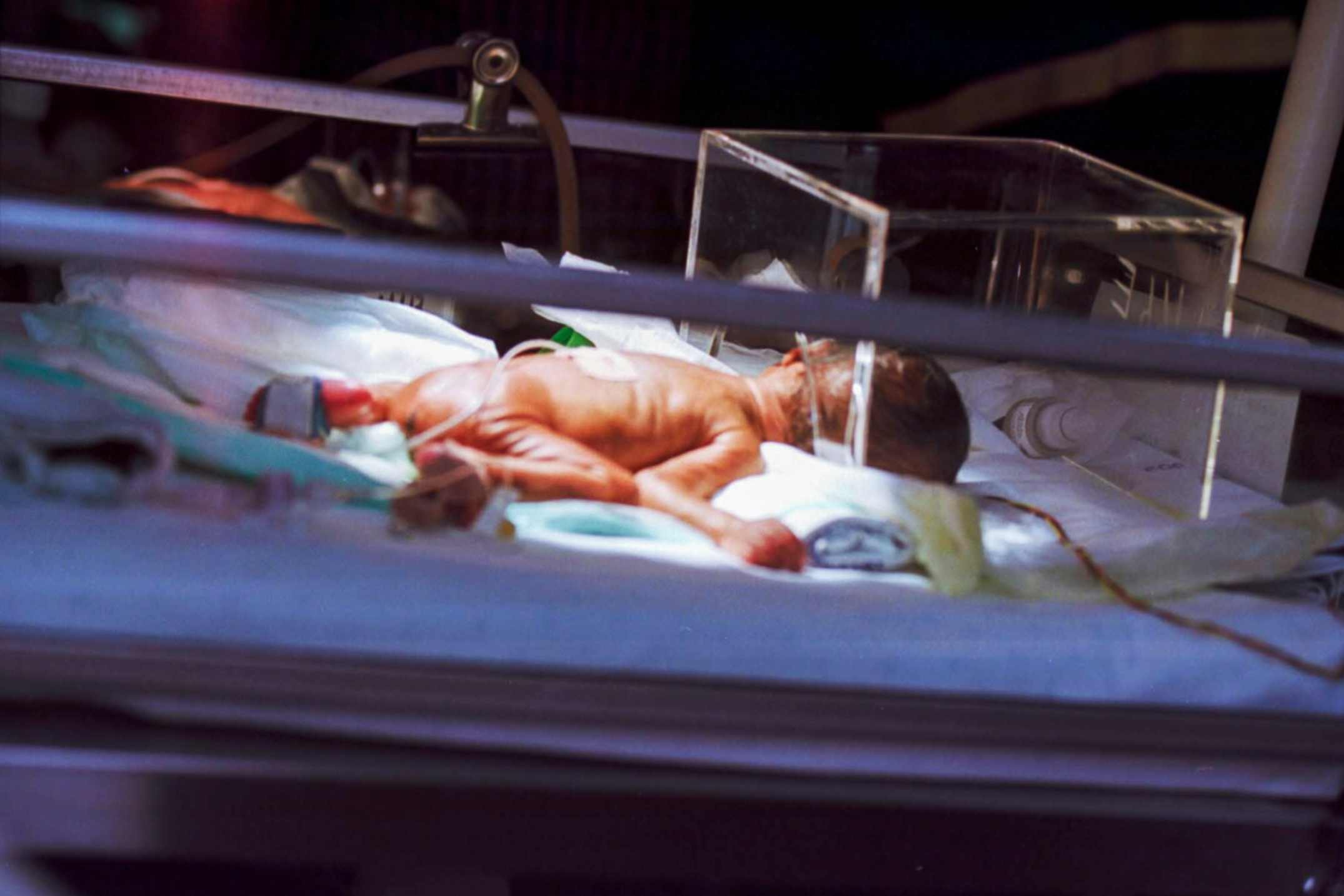
Preterm birth — birth before completing 37 weeks of pregnancy — is the leading cause of illness and death among newborns worldwide. Preterm births in India in 2020 was 13%, one of the highest in the world. Babies born too early often face risk of infection and death after birth, as well as delayed growth and risk of developing late onset diseases like hypertension, diabetes and cancer, later in life
Most preterm births happen spontaneously, without any clear medical reason. While environmental and lifestyle factors can play a role, genetics has been suspected to strongly influence the risk. However, genetic makeup varies among populations and hence it is important to study these factors in different regions and populations to better understand the causes of preterm birth.
A multi-institutional team led by Dr. Arindam Maitra from the National Institute of Biomedical Genomics (BRIC-NIBMG), Kalyani, West Bengal, has identified 40 variants/mutations that are associated with preterm births, with one mutation being strongly associated. The study also found 66 genetic variants or mutations that can help predict which women are at higher risk for preterm birth. The results of the study were published recently in the iScience.
Identifying the mutations associated with preterm births
The researchers were able to identify the mutations associated with preterm births based on a genome-wide association study (GWAS) conducted on 6,211 women enrolled in the prospective GARBH-Ini cohort. The GARBH-Ini cohort enrols pregnant women within 20 weeks of gestation and follows them until delivery and once postpartum. This cohort was initiated in May 2015 at the civil hospital in Gurugram, Haryana, India. The objectives are to identify clinical, epidemiologic, genomic, and epigenetic correlates for preterm birth.
“Genomic and epigenetic information of 6,211 women who had spontaneous preterm birth were studied using GWAS. About four million variants were genotyped for each woman, and one single variant was found to be strongly associated with preterm births in women in this cohort,” says Dr. Maitra. “Other genetic markers were also found to be associated with preterm births but they had lesser strength.”
Using long-read sequencing data, the researchers ascertained that the single mutation was indeed driving the association with preterm births in India women. “This single mutation, which is strongly associated with preterm births, was specific to Indian women and not found in European women,” explains Dr. Maitra. Meta-analysis of the current GWAS study and three large studies of European women who delivered preterm was carried out. It is based on this meta-analysis that the researchers ascertained that the single mutation with strong association with preterm births is specific to Indian women. “We are not sure if the single mutation is found only in Indian women or is found in women in South Asia, as such studies have not been done for other South Asian countries,” he says. “This is the first in South Asia that genetics, epigenetics, gene expression, and clinical data have been integrated to understand preterm birth.”
Based on the meta-analysis of over 3,00,00 women of India and European countries, the researchers found 212 mutations or genetic variants associated with preterm birth. Of the total 252 mutations, including 40 mutations specifically found in Indian women, a subset of 66 genetic variants can help predict preterm births in Indian women. “These findings could one day enable early screening and personalised care, improving outcomes for mothers and babies,” he says.
“Based on the information we got from the study, we have developed a panel to predict preterm risk in women,” Dr. Maitra says. “Mechanistic studies are currently being done to understand how the genetic variants cause preterm births.”
Three main triggers for preterm birth
For the first time, the researchers combined genetic data with multiple layers of biological information — including DNA methylation changes during pregnancy (epigenomics), gene expression in the placenta (transcriptomics), and clinical health records — to gain a complete picture of what happens inside the body that influences preterm delivery. The “multi-omics” approach has helped them trace how changes in DNA and gene regulation may trigger early labour.
Based on the study, the team has found three main triggers for preterm birth. Inflammation during pregnancy causes premature cervical ripening — softening of the cervix that typically begins prior to the onset of labour contractions — which results in reduction in cervical length and increases the risk of preterm birth. “One genetic variant was found to cause inflammation and, in turn, a reduction in cervical length,” he says.
Similarly, one genetic variant was found associated with placental development and blood circulation in the placenta. The genetic variant was found to cause constriction of the blood vessels in the placenta leading to poor blood circulation in the placenta. “Lack of nutrition and oxygen leads to preterm birth,” he says.
All pregnant women experience hypoxia in the placenta but this is taken care of naturally. One gene (EGLN3) is involved in the response to hypoxia in pregnant women. In case the expression of this gene is increased, the response to hypoxia gets impaired. Based on DNA methylation studies, the researchers found that genotype of one genetic variant was associated with increased expression of this gene. “The poor response to hypoxia may trigger preterm birth in women,” Dr. Maitra says.
The panel to predict preterm risk in women has now been developed by the researchers to identify pregnant women and bring them closer to hospitals with neonatal support as preterm babies need specialised medical care. “We hope to develop interventions based on our understanding of the genetic variants that increase the risk of preterm births,” he says.
Featured image credit: Hush Naidoo Jade Photography/Unsplash