
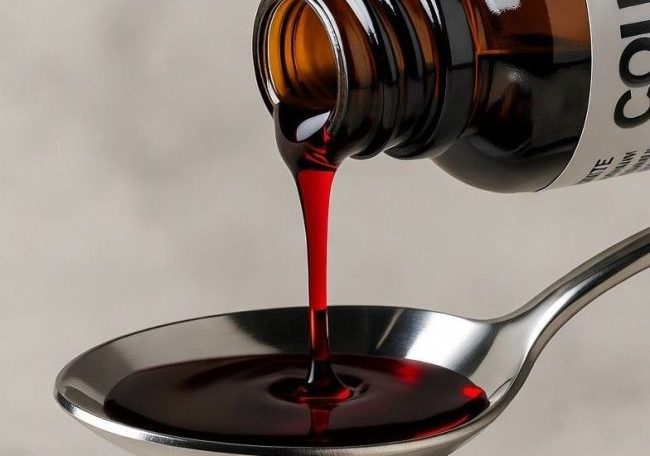
Cough Syrups: How Irrational Fixed-Dose Combinations Can Turn Fatal
Cough syrups containing a mixture of antitussives, antihistamines, decongestants and expectorants may appear logical — one drug to dry secretions, another to suppress cough, a third to open nasal passages. But the underlying flaw is that these ingredients often work in opposing ways or have overlapping side effects
Parents reach for colourful cough-syrup bottles because they want quick relief for a restless, coughing child. As a paediatrician, I understand the reasons —impulse, night feeds, poor sleep, frightened parents. But recent tragedies force us to confront a hard truth. In many cases those sweet syrups do not help, and sometimes they cause catastrophic harm.
In last few weeks 24 deaths of young children in Madhya Pradesh were linked to contaminated cough syrups. Laboratory analysis found dangerously high levels of diethylene glycol (DEG) — an industrial solvent that can cause acute kidney injury and death.
This is not an isolated historical oddity. Globally, DEG contamination has caused child deaths. In 2022 and 2023, more than 300 kids died in The Gambia, Uzbekistan and Cameron allegedly by cough syrup made by Indian pharmaceutical company contaminated with DEG . In India, the episode is a painful reminder of vulnerabilities in manufacturing oversight, supply-chain transparency, and how easily a contaminated product can end up in a child’s mouth.
The majority of childhood coughs stem from viral upper respiratory infections. These are self-limiting illnesses as they run their course in days to a week or two. Systematic reviews and position statements from paediatric societies emphasise that most over-the-counter (OTC) cough-cold medicines provide negligible benefit for young children but carry risk of adverse effects. So for routine viral coughs, the harms often outweigh any transient comfort they may offer.
The danger of irrational FDCs
Compounding the problem in India has been the proliferation of irrational fixed-dose combinations (FDCs) — multiple active drugs mixed into a single preparation without a sound pharmacological basis or any evidence that the combination is indeed beneficial. Antitussives, antihistamines, decongestants and expectorants are often combined, creating overlapping toxicity and interaction risks. Many such FDCs have been questioned, and successive government actions have attempted to clean up the market, yet sadly these irrational combinations still persist, sometimes in slightly altered form.
At first glance, these mixtures containing antitussives, antihistamines, decongestants and expectorants may appear logical — one drug to dry secretions, another to suppress cough, a third to open nasal passages. But the underlying flaw is that these ingredients often work in opposing ways or have overlapping side effects. For instance, antihistamines like chlorpheniramine dry the airways and make mucus thicker, while expectorants like guaifenesin try to loosen it. They effectively cancel each other out. Or take the case of cough suppressants (dextromethorphan or codeine) that are meant to reduce the cough reflex even when a productive cough is needed to clear mucus. As a result, cough suppressants can worsen infection or cause mucus plugging. Also, decongestants such as phenylephrine or pseudoephedrine can raise heart rate and blood pressure, and are especially risky in infants. When these drugs are combined, the cumulative sedation and cardiac load become unpredictable.
In short, these cocktails neither shorten illness nor meaningfully reduce cough frequency, but they increase the chances of drowsiness, vomiting, respiratory depression, and even convulsions in little children. That is the reason why both the World Health Organization and the Indian Academy of Paediatrics have explicitly advised against multi-ingredient cough syrups for paediatric use.
If a symptom truly warrants pharmacological treatment, a single-ingredient medicine with clear indication, dosage, and age limit should be used and never an arbitrary blend of four or five actives mixed together.
Banned FDCs
Government of India (CDSCO) has, apart from product-specific actions, prohibited many irrational FDCs, including several cough/cold FDC syrups, under Section 26A. In June 2023, 14 FDCs were banned. Of these, four FDCs were meant for cough/cold:
• Chlorpheniramine + Codeine phosphate + Menthol (syrup)
• Ammonium chloride + Sodium citrate + Chlorpheniramine + Menthol (syrup)
• Salbutamol + Etofylline (hydroxyethyltheophylline) + Bromhexine
• Amoxicillin + Bromhexine (respiratory use)
In August 2, 2024, 156 FDCs were banned, and many were cough/cold/bronchodilator mixes. Commonly seen examples are:
• Dextromethorphan + Chlorpheniramine + Ammonium chloride + Sodium citrate + Menthol
• Ambroxol + Terbutaline + Ammonium chloride + Guaiphenesin ± Menthol
• Ambroxol + Salbutamol + Ammonium chloride + Guaiphenesin ± Menthol
• Terbutaline + Bromhexine + Chlorpheniramine
• Cetirizine + Phenylephrine; Cetirizine + Paracetamol + Phenylephrine
• Paracetamol + Chlorpheniramine + Phenylpropanolamine
Measures to prevent future deaths
Following the recent deaths, the central regulator and State authorities moved quickly to seize Coldrif cough syrups manufactured by Sresan Pharma, Kancheepuram, Tamil Nadu, recall orders for specific batches of Coldrif, and arrests of responsible persons. The Drugs Controller has also directed enhanced testing, including mandatory screening for DEG and ethylene glycol in raw materials and finished products and tightened manufacturing oversight.
The Union Health Ministry and Indian Academy of Paediatrics issued an advisory urging restraint in prescribing cough-cold medications to young children and asked States to follow rational-use protocols. The advisory specifically cautioned against prescribing or dispensing cough syrups to children below two years and asked health facilities to procure only from manufacturers compliant with Good Manufacturing Practices. These steps are welcome and clinically appropriate.
However, advisories and ad-hoc bans must be backed by durable systems; routine market surveillance; a national, real-time recall/alert mechanism that reaches clinicians and pharmacies; mandatory serialisation/track-and-trace of liquid preparations; and better resourcing for State drug testing laboratories. Without these structural changes, any action will be reactive after harm has already occurred.
Practical guidance for clinicians and parents
Clinicians should avoid prescribing cocktails cough syrups to young children. Instead, they should prefer single ingredient, evidence-based approaches only when necessary, and always document indication and batch details if dispensing is unavoidable. They should also keep abreast of drug-control circulars from State and the Centre, and if a product is recalled, must notify families promptly. Finally, they should report any suspected adverse events or product quality issues immediately to pharmacovigilance authorities.
Parents should on their part should not give OTC cough syrups to infants and very young children. If a child is under one year, honey should never be given. For children over one-year, small amounts of honey may relieve cough. Simple measures like adequate fluids, humidity/steam (safe methods), saline nasal drops, and fever control with paracetamol are often the safest and most effective first-line actions. They should also check the label and avoid cough syrups containing multiple active drugs (e.g., dextromethorphan + chlorpheniramine + phenylephrine). Finally, purchase only from licensed pharmacies and note the batch and expiry. If a recall is announced, stop using the product and get medical advice.
Policy fixes we must demand
This tragedy shows that clinical advice alone cannot prevent poisonings that arise from contaminated manufacturing or from irrational product design. I recommend five urgent policy reforms:
1. A national, real-time recall and alert platform (with APIs/WhatsApp/SMS) that immediately notifies doctors, pharmacies and the public about unsafe batches.
2. Mandatory track-and-trace (serialisation) for liquid oral medicines, with QR codes linking to batch testing certificates and manufacturing plant GMP status.
3. Risk-based, frequent market sampling (not occasional inspections) with public posting of failed tests and prompt enforcement action
4. Permanent bans on irrational paediatric FDCs, especially those containing codeine, dextromethorphan, and multi-antihistamine/decongestant cocktails. Courts and regulators should enforce bans decisively, and
5. Independent strengthening of State drug laboratories, with guaranteed funding and rapid turnaround time, so local testing can trigger immediate public-health responses.
Where does blame lie?
When a child dies from a contaminated bottle, we are right to demand accountability. The primary responsibility for ensuring the safety and quality of manufactured medicines rests with manufacturers and regulators. Clinicians cannot lab-test every bottle they prescribe. That said, prescribers must also practise rational prescribing, avoid unnecessary multi-ingredient syrups in young children, and report suspected product problems.
Criminal investigations of company officials where evidence exists are necessary. But prosecuting individual doctors who prescribed seemingly licensed products without evidence of wilful wrongdoing or negligence risks scapegoating and diverts attention from structural failures in regulation and manufacturing oversight.
Medicine is both science and trust. Parents trust clinicians and regulators, and that trust is fragile. Sweet syrups should soothe, not kill.
As a paediatrician I will continue to counsel families toward safe, evidence-based care, but saving children from preventable harm will require stronger regulation, transparent supply chains, and political will to hold manufacturers and enforcement agencies to account.
If there is one message which I want every parent to take home today is that most childhood coughs need calm care, not cocktail cough syrups.


