
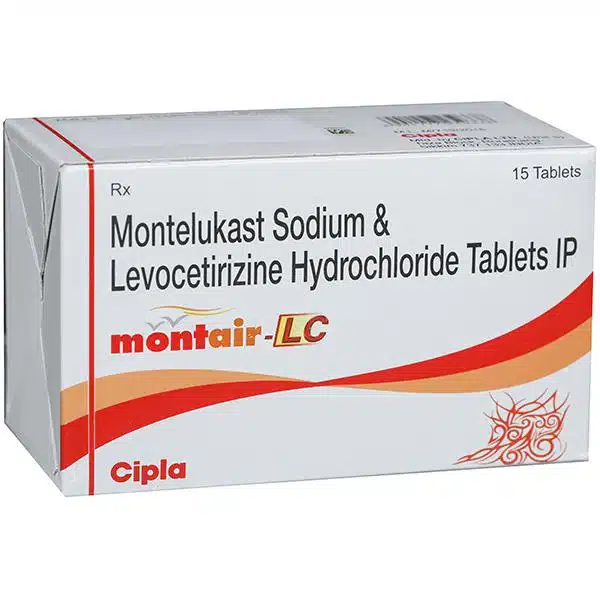
Why is irrational use of monteleukast as a combination drug continuing despite serious adverse effects?
Most antihistamines are sold as generics and are inexpensive. On the other hand, irrational combinations with montelukast sell at two-four times the cost of an antihistamine alone. The drug combinations are nothing but a sinister way to profiteer from common conditions. The proof: sales of montelukast as a standalone drug dropped 14%, while sales of combinations increased by 25% in 2023-2024, with close to 200 registered brands selling combinations
The first-line treatment for asthma involves the use of inhalers, and for allergic rhinitis, intra-nasal sprays. Inhaled/topical medications have advantages: doses tend to be exponentially lower as the drug is delivered to the site of action without bypassing the gut, and adverse effects, as a result, tend to be fewer. This is especially true for corticosteroids, the first-line medication for both the above allergic conditions.
However, corticosteroids or “steroids” are universally maligned; perceptions are often derived and extrapolated from the adverse effects associated with systemic (oral or injectable) forms. These concerns are valid. Systemic forms, unlike topical forms, are administered at higher doses, and affect almost every organ of the body in a detrimental manner. Avoiding steroids at all costs is often a goal that patients have. This is amplified manifold when it involves the treatment of a child. In addition to the reluctance to use corticosteroids in any form, inhalers are stigmatized in India. They are often thought to be addictive and considered unsafe. Patients often hide their inhaler use from friends and family, considering themselves handicapped if they need one. Reports suggest that less than 2.5% of those prescribed inhalers use them regularly.
The above concerns make an oral, non-steroidal drug for asthma and allergic rhinitis very attractive. Montelukast was developed by Merck in 1990. It was approved by the U.S Food and Drug Administration (FDA) in 1998 as “singulair”, to be prescribed as a daily-use oral medication for long-term use as a “preventer” or “controller” in asthma and allergic rhinitis. Although the drug became an alternative to steroid-based inhalers/intranasal sprays, approved for use in children, several studies have proven that the drug is inferior to inhaled corticosteroids and most universal guidelines reflect this in the algorithms for treating the diseases.
Serious adverse effects of montelukast
As early as 2009, concerns were raised regarding the serious adverse effects associated with the use of montelukast. These include depression, with reports of children, as young as five years old, prescribed the drug dying by suicide. prescribed the drug dying by suicide. The drug has been reported to be associated with neuropsychiatric side effects such as aggressiveness, nightmares, depression and cognitive impairment. Studies across multiple countries have reported these associations, leading to a black box warning in the U.S by the FDA., warnings from the Medicines and Healthcare products Regulatory Agency (MHRA) in the UK and the Therapeutic Goods Association (TGA) in Australia, among other warnings and advisories.
In India, when we last investigated the use of the drug, industry sources informed us that the annual sales of montelukast (April 2023-2024) reached over ₹2,400 crores (approximately $320 million). What was alarming was that less than 3% of these sales were of the drug sold alone. Over 97% of sales were of the drug in combination, use that is unscientific and irrational.
What explains the obsession for combination drugs?
A majority of sales of the drug in India is in combination with antihistamines, oral bronchodilators and mucolytics. Montelukast is meant to be a “controller”, or a “preventer”, which is why the rational use would be long-term (months to years). Antihistamines, bronchodilators and mucolytics are prescribed for short-term symptom relief (typically 5-10 days). They work well for the quick relief of symptoms associated with viral infections such as the common cold, seasonal worsening of allergies and acute environmental triggers such as air pollution. Why is montelukast being prescribed in combination with such drugs then? Most of the prescriptions we observe for these combinations are for 10 days (a strip of 10 is how most of these are sold). These combinations are sold over the counter, and are being used indiscriminately by patients, who often experience the benefits of the short-acting quick-relief medication in the combination, while consuming montelukast as a default add-on.
The explanation, unfortunately, is likely to be sinister. Most antihistamines are sold as generic medications and tend to be inexpensive. Combinations with montelukast are sold at a much higher price. The same company will often sell a combination at two-four times the cost of an antihistamine alone, suggesting that combinations are a way to profiteer from common conditions. If montelukast was considered an important and effective drug, sales of the approved indication as a standalone drug would have risen. There was a 14% drop in the sales of montelukast alone, while there was an almost 25% increase in the sales of combinations in 2023-2024, with close to 200 registered brands selling combinations. Patients also report that it is getting increasingly difficult to buy antihistamines without a combination of some kind. Such irrational and unethical behaviour is not a new phenomenon; paracetamol is often sold these days at a dosage of 650mg, which is more profitable than the dose of 500mg, despite little scientific rationale.
The way forward
Combinations of montelukast with other drugs should be banned. There is no justification for an irrational combination, especially when there are serious concerns regarding the neuropsychiatric effects of montelukast. Those arguing that these effects may be limited to long-term use need to first justify the use of the drug in short-term prescriptions. As citizens, we especially need to know why we are being prescribed and sold combinations not available in most of the developed world.
Should Montelukast be banned? Certainly not. There are conditions in which the long-term use of the drug can be invaluable. For example, I often cannot prescribe an inhaler to a professional singer, as it can alter the tone of their voice. Similarly, there are patients with asthma and allergic rhinitis who do not tolerate inhalers and nasal sprays, respectively, or simply choose not to use them. Warnings need to be in place and patients need to be counselled to watch for any adverse neuropsychiatric adverse effects when the drug is prescribed. This is especially true in children, in whom behavioural changes can be subtle.
It has been close to a year since when we tried to raise objections to these combinations. Several patients, friends, colleagues have since told us about their personal deleterious experiences with the drug. Physicians have told us that once they started asking pointed questions about mental health to their patients, the adverse effects did not seem uncommon. Yet, there appears to be no change in regulations. We hope this changes.


