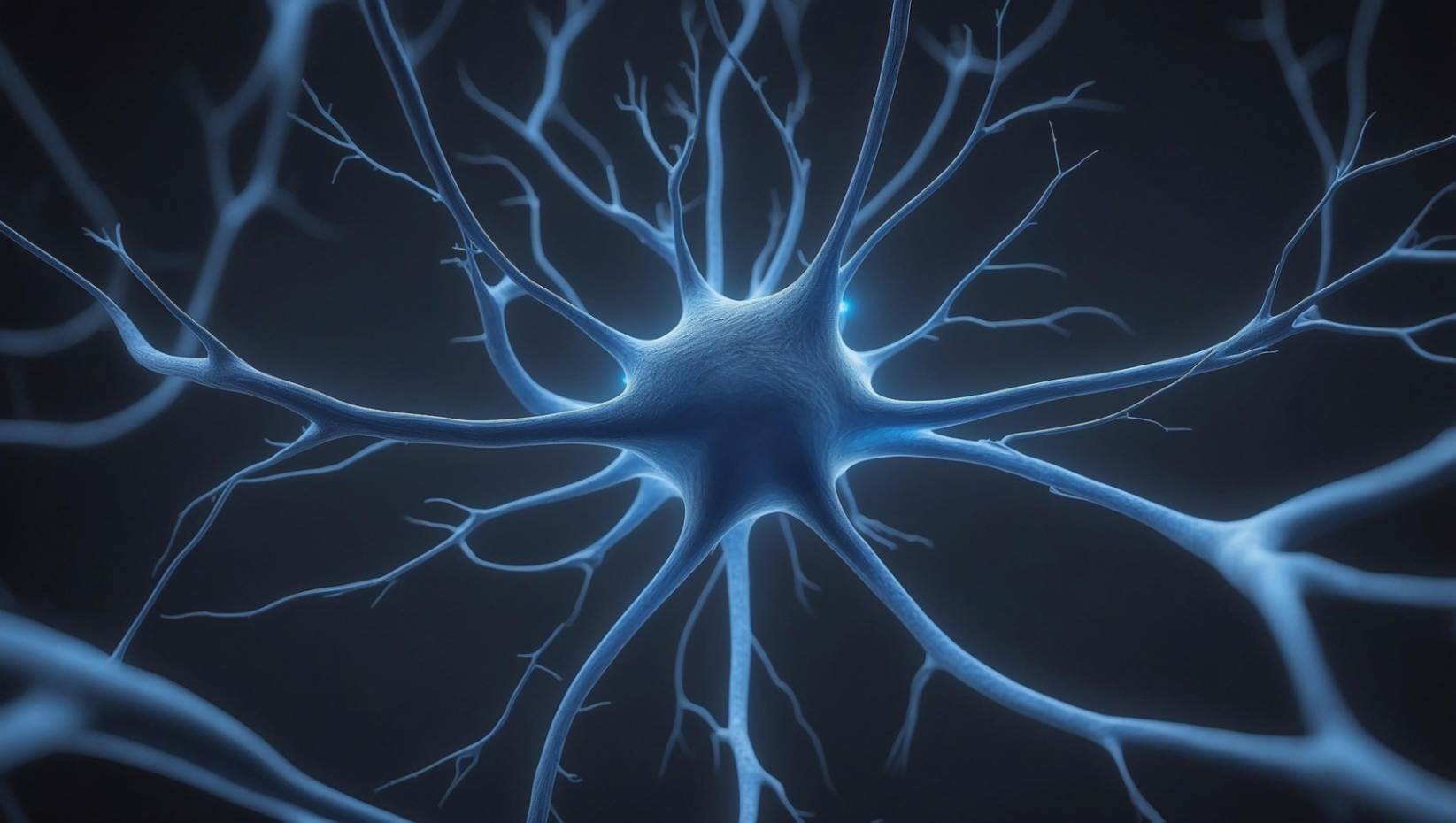
Ending the neurogenesis debate: Human brain can make new memory neurons in adulthood too
Besides identifying neural progenitor cells in adult brain, the trajectory of neurogenesis was traced — progression from neural stem cells to differentiated immature granule neurons in adulthood — thereby providing strong evidence for the occurrence of adult neurogenesis
For a long time, it was believed that neurons in the brain are generated only before adulthood. However, pioneering studies in the late 1990s on rodents and primates revealed that new neurons are generated throughout adulthood in specific regions of the brain, particularly in the dentate gyrus. The dentate gyrus is a part of the hippocampus involved in learning, memory formation, and pattern separation. These newly born neurons can integrate in to the existing neural network of the hippocampus. Although the functional significance of these adult-born neurons remains unclear, research suggests they may contribute to learning, memory, and behavioural adaptability.
One of the big questions in brain research is whether new neurons are made in the adult human brain. Few early studies, which used special labelling methods on donated human brain tissue, identified newborn neurons, suggesting that neurogenesis might happen in adults. However, this remains a topic of debate, as later studies have found both supporting and opposing evidence. Researchers have been actively looking for clear evidence for neurogenesis in adult human brain.
Existence of adult neurogenesis
The confusion around this topic is due to both shortcomings of research methods and complexity of neurogenesis in adulthood. The success of identifying dividing cells in brain relies on how well the brain tissue is preserved, how long after death it’s studied, and how effective the labelling methods are. As the markers for neural precursor cells are designed based on the studies in mammals such as mice and rats, they may not work the same in humans. Also, new neurons develop at different rates, and lifestyle conditions may affect neurogenesis. More recently, advanced single-cell sequencing techniques have been used to gain clearer insights into neurogenesis in humans. A recent report by Ionut Dumitru from Karolinska Institutet, Stockholm, Sweden, and others in the journal Science strongly supports the existence of adult neurogenesis in humans through the use of high-resolution single-nucleus RNA sequencing analysis.
Single-nucleus RNA sequencing (snRNA-seq) gives a comprehensive knowledge of the gene expression in a cell type specific manner. Therefore, it helps identify different types and stages of cells without relying on specific markers thereby overcoming previous limitation. Also, it also allows comparisons across species and developmental stages. Ionut Dumitru and others could identify proliferating progenitor cells and map the trajectory in which neural stem cells give rise to neurons in the human hippocampus.

Neurogenesis in childhood, adulthood
First, they utilised this new methodology on the well-preserved human childhood (0-5 years) hippocampus tissue and established a neurogenesis trajectory. The analysis also revealed new markers for neuroblasts and intermediate progenitor cells. The comparative analysis with data from mouse model system revealed both similarity and differences in neurogenesis trajectory. This new result supports previous finding across organisms that a high amount of neurogenesis is observed in early childhood.
Next, they focused on identifying neural progenitors in the adult (13-78 years) human tissue. To compare a large amount of sequencing data of single cell sequencing, the researchers used machine learning tools and identified neural progenitor cells in the enriched isolated single-cell nuclei pool. The analysis also revealed a trajectory of neurogenesis, tracing the progression from neural stem cells to differentiated immature granule neurons in adulthood, thereby providing strong evidence for the occurrence of adult neurogenesis. The analysis detected a smaller number of progenitor cells in adults compared with adolescents. The identified progenitor populations exhibited high interindividual variation, indicating variability in adult neurogenesis.
Strengthening the finding
To further strengthen the finding, they next used high-resolution in situ imaging-based RNA analysis (Xenium and RNAscope), which allowed localisation of specific RNAs in neuronal population of preserved hippocampal tissue. This analysis successfully identified neural stem cells, intermediate neural progenitor cells and neuroblasts in the dentate gyrus of the hippocampus. It also revealed that proliferating neural stem cells and intermediate progenitors often appeared in pairs or small clusters, with numerous neuroblasts localised within restricted regions, indicating active cell division and ongoing neurogenesis. The analysis highlights the heterogeneous nature of proliferating cell markers, reinforcing the ambiguity observed in previous findings.
Overall, this new single cell sequencing based study identified and molecularly characterised neural progenitor cells in the human hippocampus from birth through adulthood, showing that these cells are more abundant and easily detectable in early life but become increasingly sparse during adolescence and adulthood. The identified neural progenitor cells in the adult human hippocampus show transcriptional similarity to those in mice, pigs, macaques, and childhood humans, with minor species-specific gene expression differences that still need to be functionally correlated.
More studies of a similar nature are required to resolve the biological heterogeneity of human adult neurogenesis and also to understand its functional significance in greater detail. It is highly possible that neurogenesis could be triggered based on various life events such as epilepsy, stroke and injury etc. However, this evidence raises hope for harnessing the existing neurogenesis potential in adulthood with other plasticity paradigm such as physical exercise, deep brain stimulation to name a few.