Widespread Animal Domestication Triggered Disease Surge 5,000 years ago, DNA Study Reveals
The dawn of animal domestication 6,500 years ago unleashed a hidden epidemic crisis across Eurasia, with zoonotic diseases becoming more widespread about 5,000 years ago. Analysis of DNA from the teeth and bones of 1,313 ancient humans spanning 37,000 years unravelled the first direct genomic evidence that close contact with livestock dramatically increased humanity’s burden of infectious diseases
The dawn of animal domestication 6,500 years ago unleashed a hidden epidemic crisis across Eurasia, with zoonotic diseases — illnesses transmitted from animals to humans — becoming more widespread about 5,000 years ago, according to a landmark study published on July 9 in Nature. By analysing DNA from the teeth and bones of 1,313 ancient humans spanning 37,000 years, an international team uncovered the first direct genomic evidence that close contact with livestock dramatically increased humanity’s burden of infectious diseases. Pathogens also spread westward by pastoralist migrations from the Eurasian Steppe. The team identified 5,486 microbial hits representing 492 species, including 3,384 hits from known human pathogens.
Human activities as catalysts for zoonotic spillover
Elucidating the complex web of infectious disease patterns has long been a difficult task, mainly because of the natural variability in how diseases spread across different places and times. National borders do not limit human pathogen spread; local and international movements of people and goods, urbanisation result in large and dense populations, which in turn increase the likelihood of transmission and outbreak of infectious diseases. The study of ancient DNA (aDNA) from human remains has opened new avenues for understanding the historical spread and evolution of pathogens.
Analysing the genetic material of ancient individuals provides a unique window into the past, allowing researchers to identify the presence of specific pathogens and trace their geographic distribution over time. Infectious diseases have exerted a profound influence on human civilisation throughout history. The availability of ancient DNA has revolutionised our comprehension of historical disease dynamics, providing invaluable information on the origin, evolution, and transmission of pathogens.
Investigating the geographical and temporal distribution of human pathogens in ancient Eurasia is critical for understanding the evolutionary history of infectious diseases, human migration patterns, and the impact of pathogens on past populations. Moreover, insights gleaned from ancient pathogen research can inform contemporary public health strategies, offering clues about pathogen adaptation, host-pathogen interactions, and the emergence of novel diseases.
The establishment of agrarian societies approximately 10,000 years ago significantly boosted the interplay between epidemics and human societies, creating fertile breeding grounds for diseases like malaria, tuberculosis, and leprosy to thrive. The concentration of populations in confined spaces, coupled with the proximity to domesticated animals, led to the emergence and spread of crowd diseases, thus increasing the virulence of human pathogens, exemplified by measles and smallpox. A significant proportion of infectious species that affect humans originate from animals, emphasising the importance of understanding zoonotic transmission dynamics.
Did animal farms breed humanity’s first pandemics?
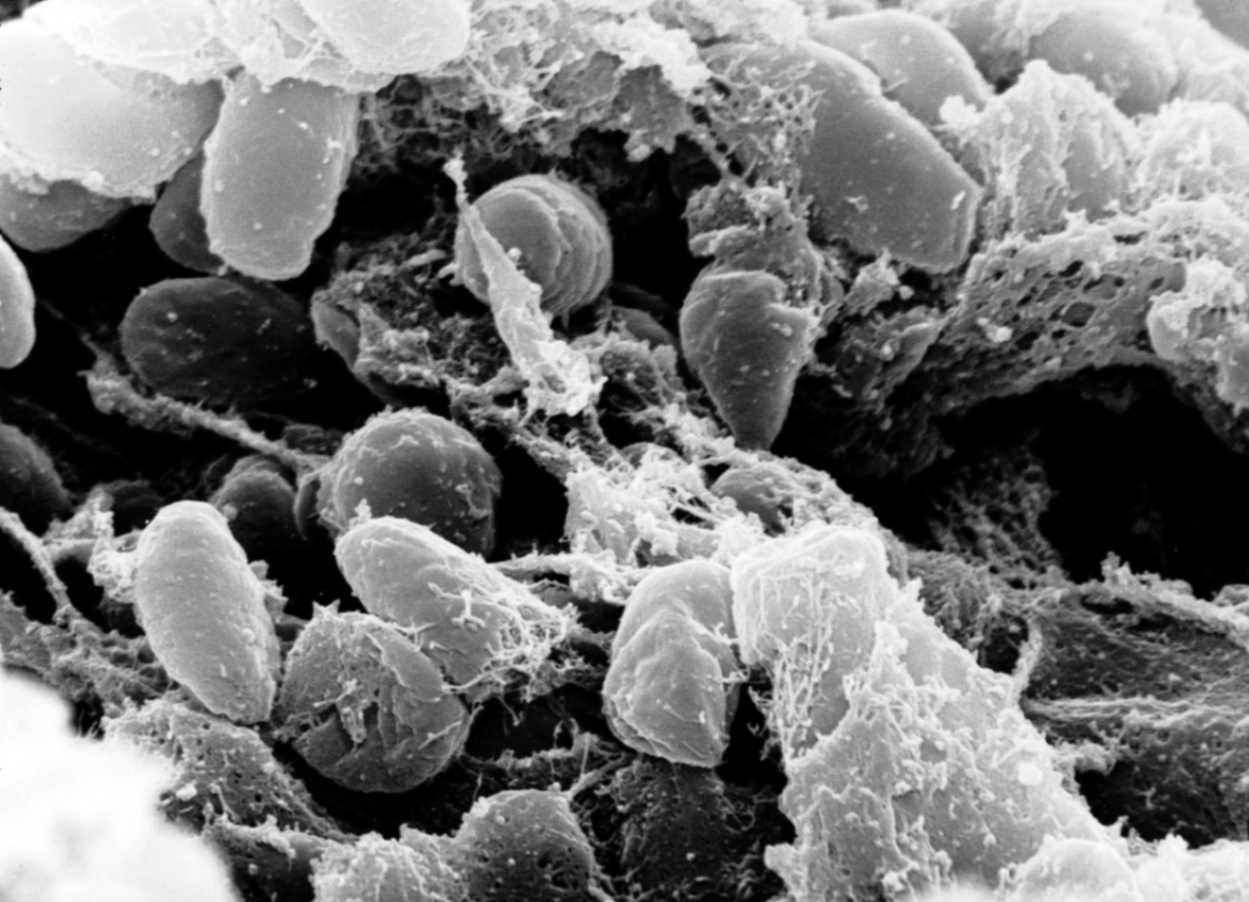
Animal-borne pathogens did not exist in pre-farming societies, but they became extremely prevalent after livestock domestication, reaching their peak 5,000 years ago. Teeth DNA demonstrates that zoonotic diseases increased after people first domesticated sheep. The world’s oldest genetic trace of the plague bacterium, Yersinia pestis, was found in a 5,500-year-old sample. People from Siberia to Russia were ravaged by Y. pestis 1,000 years before it was thought to have happened, demonstrating that plague was already common and not just a sporadic occurrence; there was continuous detection of Y. pestis between 5,500 and 2,700 years ago.

In addition, traces of malaria (Plasmodium vivax) were found in an individual from central Europe 4,200 years ago, leprosy (Mycobacterium leprae) was found in individuals 1,400 years ago; leprosy was indeed widespread in medieval Europe with squirrel fur trade from Scandinavia during the late Iron and Viking Ages (400-1,000 years ago) possible facilitating leprosy-causing bacteria transmission. In addition, hepatitis B virus was found in an individual 9,800 years ago, and diphtheria (Corynebacterium diphtheriae) 11,100 years ago. However, Mycobacterium tuberculosis which causes tuberculosis, was not identified. This is because M. tuberculosis load in blood is typically low in immunocompetent patients without advanced disease and the bacterium is unlikely to be readily identified in tooth and bone remains sampled for ancient human DNA.
Not only this, body lice were disease vectors much earlier than previously thought, as evidenced by the study’s discovery of 34 new cases of louse-borne relapsing fever (Borrelia recurrentis), the earliest of which occurred in a Neolithic farmer (5,647-5,471 years ago). In a clear illustration of the complexity of ancient diseases, 15 cases of coinfections were found, six of which were coinfections with hepatitis B. A Viking person from Norway contracted leprosy and smallpox at the same time, while another Viking Age individual from Denmark was coinfected with leptospirosis and hepatitis B virus. Coinfections of hepatitis B with relapsing fever or plague were also found. About 5,000 years ago, pathogens were dispersed westward by pastoralist migrations from the Eurasian Steppe, which also coincided with immune gene genetic adaptations (e.g., those linked to modern multiple sclerosis risk) and demographic collapses. The transition from predominantly hunter-gatherers to farming or pastoralist cultural contexts led to a higher risk of zoonotic disease transmission and facilitated the spread of both old and new pathogens.

New tech turns 37,000-year-old teeth into disease archives
The comprehensive investigation into the spatiotemporal distribution of human pathogens across ancient Eurasia necessitates an integrative methodological framework, encompassing paleogenomics, bioinformatics, and spatial analysis techniques.
To identify ancient microbial DNA in shotgun-sequenced ancient DNA (aDNA) data from 1,313 ancient individuals from western Eurasia, central and north Asia, and southeast Asia, a methodology has been developed. The data encompasses a subset of past societies and spans 37,000 years. The pathogens that were identified are likely to have impacted the broader population, as diseases are readily transmitted in communities with inadequate sanitation and hygiene. The initial metagenomic classification revealed that a significant proportion of reads were classified as soil-dwelling taxa. However, subsequent characterisation indicated that the microbial DNA in ancient tooth samples frequently originates from genera that are commonly associated with the human oral microbiota.
A study that examined 1,356 viral genera and 136 bacterial and protozoan genera discovered that ancient microbial DNA was extensively detected. The team identified 5,486 microbial matches in the global bacterial DNA sequence. That DNA matches further classified into 492 known bacterial species. Of the 492 known bacterial species, 214 are known human pathogenic bacterial species. The bacterial genera that are commonly found in soil environments, such as Clostridium and Pseudomonas, and those that are associated with the human oral microbiome, such as Streptococcus and Actinomyces, exhibited the greatest populations.
The research revealed substantial variations in the genetic similarity of ancient microbial sequences to their reference assemblies, both within and between genera. While DNA with low average nucleotide identity (ANI) is distantly related to a reference assembly in the current database, ancient microbial sequences with high average nucleotide identity (ANI) are closely related. Ancient DNA (aDNA) damage, insufficient database representation of genus diversity, or false-positive classification of reads from a related genus can all contribute to low average nucleotide identity (ANI). The study measured the rate of detecting unique alleles at two randomly selected reads (chunks of DNA) at nucleotide positions across the genomes of hits (when DNA chunks are completely matching with a specific bacterium in a global bacterial DNA database, it is called as a hit) with read depths greater than or equal to one to test for mixtures.
Between species, the rate of read mapping varies greatly; species with high read recruitment, such as M. leprae, receive more hits than those with low detection, such as Borrelia recurrentis. In tooth and bone samples, ancient microbial DNA from species found in soil, such as Clostridium botulinum, was also found. However, it was more common to find species in tooth samples linked to pathogenic infections or the human oral microbiome. The majority of hits with a high percentage of readsattributed to the same species were confirmed by a BLASTn search.
Numerous sources contribute to the ancient microbial DNA found in human remains, which has a high detection rate, reads recruitment, and a lower average nucleotide identity (ANI). This implies that a sizable amount of the metagenome originates in the environment and may be connected to putrefaction processes that occur after death. The majority of species from other genera, such as Streptococcus or Actinomyces, are found in teeth.

First appearance of zoonotic pathogens
According to the study, zoonotic pathogens first appeared about 6,500 years ago and were first regularly found after 6,000 years. The widespread use of pastoralism and husbandry techniques raised the risk and scope of zoonotic transmission. Around 5,000 years ago, when Steppe pastoralists were migrating to Europe and earlier populations were being displaced, the highest detection rates were noted. Epidemic waves of zoonotic diseases that caused population declines and then repopulated depopulated areas with opportunistic settlers who intermixed with the remaining original population may have contributed to the genetic upheaval in Europe. The results corroborate the hypothesis that, in Steppe populations some 5,000 years ago, increased pathogen pressure was a likely driver of positive selection on immune genes linked to the risk of multiple sclerosis. Inferring and comparing incidence patterns across various pathogen species and types was made possible by extending the analyses to the larger pathogen landscape.
More than 60% of newly discovered infectious diseases nowadays are caused by zoonoses. Examining the history of zoonotic diseases reveals a fluctuating pattern of infection, influenced by changes in human behaviour and environmental conditions. Human activities, such as land use changes, agricultural practices, and urbanization, have significantly impacted the emergence and spread of zoonotic diseases. Zoonotic diseases constitute a substantial proportion of human infections, with a significant number of emerging infectious organisms being of zoonotic origin. Zoonotic diseases, capable of transmitting between vertebrate animals and humans, encompass a diverse array of pathogens, including bacteria, viruses, fungi, protozoa, and parasites.
Some of the study’s limitations include the requirement for appropriate tissue samples and a high pathogen load. Nonetheless, the results show how genomic paleoepidemiology can produce a map of the temporal and spatial distribution of various human pathogens over thousands of years.
(Featured image: A scanning electron micrograph depicting a mass of Yersinia pestis bacteria. Credit: Wikimedia)