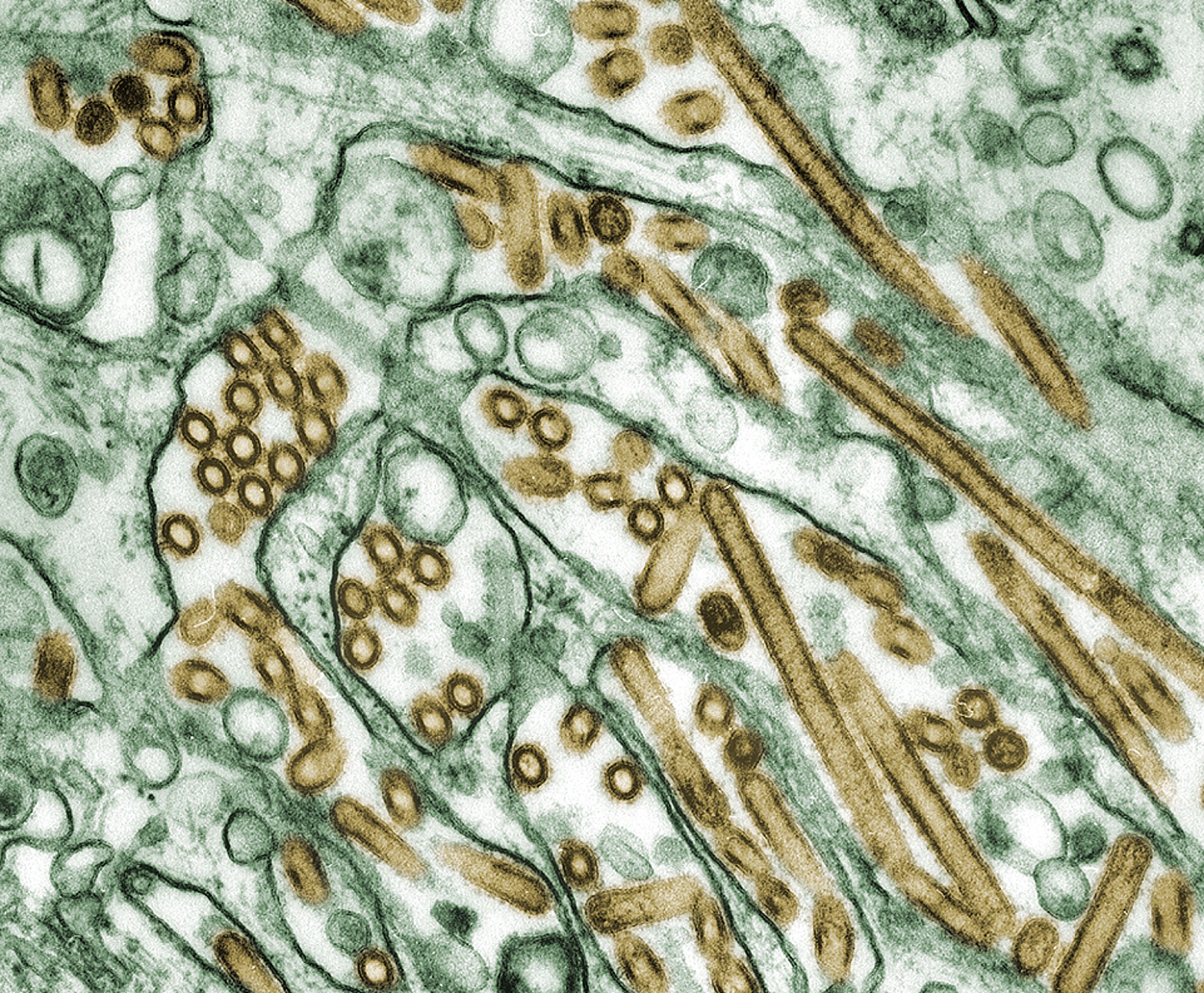
NIV shares H5N1 genome data in a public database
The Pune-based National Institute of Virology (NIV) has shared the H5N1 genome sequence data with the Global Initiative on Sharing All Influenza Data (GISAID), a public database, on April 21, a day after a report was published on April 20 in The Hindu about NIV not sharing sequence data before paper publication.
The H5N1 sequence data deposited in GISAID was collected from a two-year-old girl from Narasaraopeta in Palnadu district, Andhra Pradesh. The girl was admitted to AIIMS-Mangalagiri on March 4, 2025 and ICMR’s Virus Research and Diagnostic Laboratory (VRDL) identified the virus as influenza A on March 7. The sample was sent to NIV for Influenza A virus subtyping. NIV identified the virus as N5N1, and the Andhra Pradesh government was informed about the result on March 31.
This is not the first time that NIV shared the genome sequence data with GISAID soon after the publication of a news report pointing out its failure to quickly share the vital data. During the pandemic, NIV shared the genome sequence data of SARS-CoV-2 virus with GISAID on March 5, 2020, a day after a news report was published in The Hindu on March 4 flagging the issue of NIV not sharing the data. Samples from two medical students who had returned to Kerala from Wuhan, China were collected on January 27, 2020 and January 31, 2020. NIV confirmed the first case as COVID-19 on January 30, 2020 and the second case on February 2, 2020.
Refusal to share even during pandemic
While NIV posted the sequence data of the first two COVID-19 cases in India in GIASID on March 5, 2020, Dr. Priya Abraham, the then Director of NIV had told The Hindu on March 7, 2020 that NIV had shared the two sequences with GenBank “about two weeks ago.” However, as per details available on GenBank, the two genome sequence data were submitted to GenBank within a few days of collection. As per GenBank, the sequence data of the virus sample collected on January 27, 2020 was submitted to GenBank on February 1, 2020, while the sequence data of the sample collected on January 31, 2020 was submitted to GenBank on February 11, 2020.
GenBank “released” the sequence data of the first two COVID-19 cases on March 6, 2020 after the news report was published in The Hindu. Genome data deposited in GenBank become accessible to other researchers only when they are released. GenBank releases the data only on the instructions of the researchers who have submitted the data.
GenBank’s policy
The GenBank 2023 update published in November 2022 says: “It has been a longstanding policy that GenBank will, upon request from the submitter, withhold the release of new sequence submissions either until the date that associated research is published or until a release date specified by the submitters, whichever occurs first. Submitters may set the length of these delays.”
“Sharing the genome sequence data should happen as soon as they are available, if this information is to be of use,” says Dr. Gautam Menon, Professor of Physics and Biology at Ashoka University.
Published in The Hindu on April 28, 2025