Cooled Cooked Food: A Simple Dietary Strategy for Blood Sugar Management
Starch, which has a high glycaemic index upon cooking, can undergo recrystallisation and turn into resistant starch upon cooling, resulting in the reduction of the glycaemic index of certain foods
Indians are conditioned to believe that hot, freshly cooked meals are healthier and safer. However, this is only a half-truth.
In the United States, with the women’s labour force participation (FLFPR) rising from 37% in the 1950s to nearly 60% today, the average time spent on household chores, especially cooking, has fallen drastically. This was largely aided by a rapid rise in technological advancements, particularly in food processing and preservation. Economic development is evidently the main driver of such transformation. Microwave ovens and refrigerators became common household equipment, and today, over 99.8% of U.S. households have at least one refrigerator, while by 1997, U.S. households had already achieved the feat of 90% owning a microwave oven. In contrast, only 60% of households in India own a refrigerator (even in 2019), and the average time spent by women on household chores is five hours per day.
Even though urbanites in India have started owning refrigerators and microwave ovens, certain misconceptions still exist regarding food preservation, storage, and safety. The fundamental premise of heat treatment and cold storage is that cooking above 70 degree C kills harmful bacteria, while refrigeration below 4 degree C inhibits or arrests bacterial growth, and reheating again kills the bacteria. Indians’ obsession with freshly cooked hot meals is predominantly rooted in the belief that “hot food is safer”. However, this is only a half-truth.
While hot food is safer, properly refrigerated and reheated foods are equally safe. From a nutritional perspective, freshly cooked starchy carbohydrates, such as boiled rice, wheat, or tubers, offer no glycaemic advantage over their cooled or reheated counterparts, which may provide additional benefits due to resistant starch formation.
Glycaemic index of foods
While cooking on high heat kills certain harmful bacteria, it can also alter the glycaemic index (GI) of foods depending on the cooking method, such as boiling, baking, or roasting. Glycaemic index measures how quickly a carbohydrate-containing food raises blood sugar levels in the consumer. Carbohydrate-rich foods are categorized by their glycaemic index as low (GI < 45), medium (GI 46–69), or high (GI > 70). With rice and wheat as staples, Indians consume high- glycaemic index foods daily, which is considered one of the reasons for the diabetes epidemic in India.
A recent report from the ICMR has highlighted the link between high carbohydrate intake and the incidence of diabetes among Indians. The survey showed that 62% of Indians’ calorie intake comes from carbohydrates such as rice and wheat, with recent estimates suggesting per capita rice consumption of 5 kg per month. Higher in calories, the GI of commonly consumed rice varieties, such as Ponni, is also high, ranging between 70 and 80, with only Basmati falling between 50 and 60. The glycaemic index of refined wheat flour typically ranges from 70 to 85.
The simpler the sugar, the higher its glycaemic index. In this regard, commercially available white rice that is de-husked, de-hulled, and polished is essentially the starchy endosperm of the grain. Starch is composed of two polysaccharides, namely amylose and amylopectin. The digestion of starch begins in the mouth, where salivary amylase breaks it down, thereby spiking blood sugar. This is also a reason why brown rice with the fibrous bran around the endosperm has a lower glycaemic index (50) compared with the polished white rice.
Turning starch into resistant starch
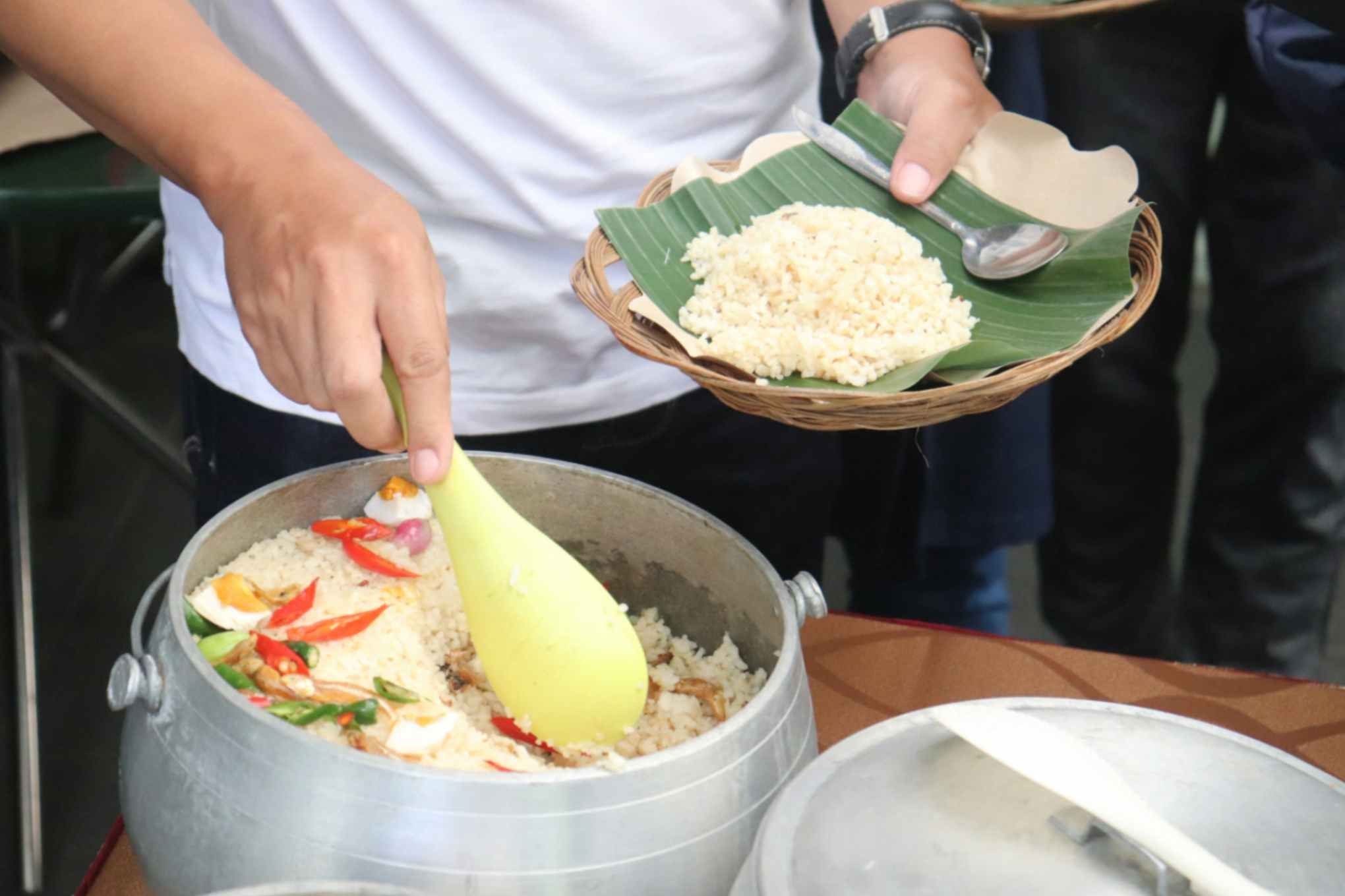
One peculiar feature of starch is that, although it has a high glycaemic index upon cooking, it can undergo recrystallisation and turn into resistant starch upon cooling, a process known as retrogradation. During cooking, starch granules absorb water, swell, and break down into a gel-like form, increasing their digestibility and glycaemic index. When it cools, the amylose molecules reorganise into a more ordered, resistant structure, that is less accessible to digestive enzymes, slowing down the digestion and absorption of glucose in the small intestine. Resistant starch further undergoes fermentation in the large intestine acting as a prebiotic to support gut microbiota. During this fermentation of resistant starch, short-chain fatty acids are produced which may further contribute to metabolic benefits like improved insulin sensitivity. Although cooled starch can be hard, reheating with sprinkle of water retains its moisture, texture, and palatability without eliminating the nutritional properties of resistant starch.
Several studies have shown the effect of retrogradation on rice and its impact on lowering the glycaemic index compared with freshly cooked rice. Clinical studies have demonstrated that cooked white rice cooled for 24 hours at 4 degree C and then reheated had a lower glycaemic response compared with freshly cooked white rice. In one study, consumption of rice that has been cooled led to a reduced rise in postprandial blood glucose levels in individuals with type 1 diabetes. Boiled potatoes showed a higher glycaemic index compared to cooled or reheated potatoes. However, unlike rice, cooled and reheated potatoes significantly reduces resistant starch content, returning it to levels similar to freshly cooked potatoes. Resistant starch content is highest in chilled potatoes, followed by reheated potatoes, and lowest in hot potatoes. The resistant starch content in wheat increased from 41% to 88% after three cycles of repeated heating and cooling. In one study, frozen wheat rolls exhibited a lower glycaemic response among consumers compared with non-frozen ones. The enhanced resistance to amylase after cooling is associated with alterations in the crystalline structure of starch, rather than its general physical form. Consequently, resistant starches have a notable impact on the glycaemic index.
Though there is limited direct evidence quantifying the causal link between the preference for hot meals and blood glucose levels across the Indian population, the concept of resistant starches can play a beneficial role in mitigating the diabetes risk. Even though it cannot be a standalone solution to India’s diabetes epidemic, it can be one tool among others. In India, where cooking is largely considered a gendered role rather than a life skill, we should embrace modern food preservation and processing technologies. Preparing three freshly cooked meals from scratch is deeply rooted in the notion of gendered roles and reflects feudal societies, where women were expected to toil in the kitchen throughout the day. For bachelors living away from home, bulk meal preparation for a week, followed by cooling and reheating, is not only time-saving but can also be a healthy option.