
Preventing celebrations from becoming tragedies – A public health approach to avoiding stampedes
From a public health perspective, the avoidable deaths from stampedes necessitate careful planning in places that regularly or occasionally host significant events. In India alone, on average, 14 individuals have lost their lives in approximately 19 stampedes each month, as per a 2016 article
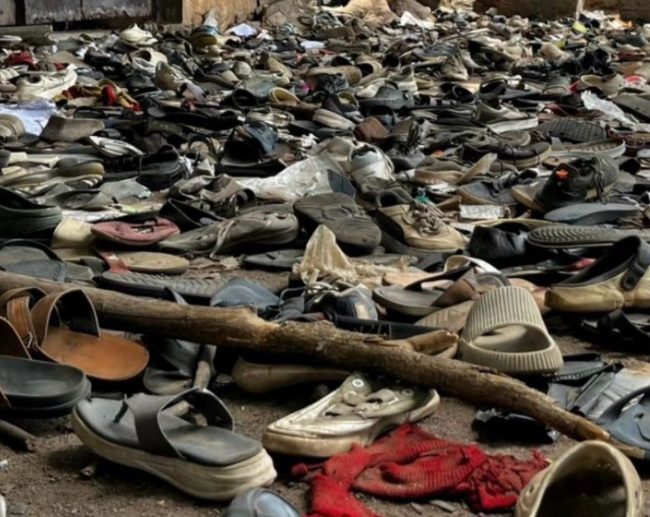
Like most diseases, deaths and injuries due to stampedes are not random mishaps but rather contain several aspects of a systematic process. Globally, from 1980 to 2007, at least 215 crowd stampedes resulted in 7,069 deaths and over 14,000 injuries. In India alone, on average, 14 individuals have lost their lives in approximately 19 stampedes each month in this century, according to data compiled by Rakesh Dubbudu in the year 2016. Developing countries suffer far deadlier and far severe deaths (with up to eightfold higher fatality rates) than more affluent nations.
The causes of a stampede and its effects are multifactorial. In most cases, stampedes occur due to failures in event management, especially in planning, facilities, and other related aspects. Other research has shown that crowd density, panic, and crowd movement are significant factors contributing to stampedes. In most instances, the fatalities and injuries are due to trampling and crushing, which prevent people from evacuating and cause them to become injured or suffocate. The analysis of crowd crush deaths in India (2004–2025) shows significant fluctuations in annual deaths from crowd crushes in India, with deadly peaks in 2005, 2008, and again in 2024 (Figure 1: Crowd Crush Deaths in India, 2004–2025). While some years saw very few incidents, recent spikes suggest persistent vulnerabilities in managing large public gatherings. The figure 2 (Crowd crush deaths in India by event) illustrates the deadliest individual stampede events in India, emphasizing the need for robust crowd control at faith-based gatherings.


Preventing stampedes may seem simple, but it requires more than just instinct. When large crowds gather at a narrow entrance, taking prompt action is essential to avoid disasters. From a public health perspective, these avoidable incidents necessitate careful planning in places that regularly or occasionally host significant events. It’s crucial to combine both behavioural elements, such as crowd behavior and individual reactions, with systemic components involving planning, infrastructure, and policy to prevent future tragedies.
Primary prevention
To prevent any fatality or injury at any place, the principles of primary prevention should anticipate and balance supply (venue capacity) and demand (expected crowd), with contingencies for unexpected crowds. These demands require that adequate infrastructure, crowd management, crowd control training, and staffing are well-planned and effectively implemented.
Only authorised representatives should make public announcements that could trigger large crowds. When crowds outnumber security staff, managing the chaos becomes difficult. Basic strategies, such as barriers, one-way queues, staggered entry, and automated passages, can aid in crowd control when well-planned. Authorities must deploy trained stewards and law enforcement before events, monitor overcrowding near chokepoints, redirect excess crowds, and avoid conflicting announcements.
A general guideline is that if capacity cannot be increased (as with ancient places of worship), then input must be managed: limit entry, require tickets or registration, use automated walkways, or distribute the crowd across multiple venues. While maintaining the accessibility of essential roads, municipalities should utilise open spaces strategically to enhance their overall appeal. To prevent backflow, trained personnel should utilise barriers and one-way systems to facilitate smooth crowd movement. Online registration or restricted ticketing should be used when necessary to enforce admission control. Uncertain messages can cause surges, so it’s imperative to communicate clearly with the public. Everyone should be advised to avoid pushing or running in a crowd. Instead, safety procedures should be communicated, including shielding oneself with arms to preserve breathing space and curling up to protect vital organs if knocked down. Seeking to keep the visitors calm and following official instructions during the panic is equally essential.
Regular emergency drills and simulations are vital for prevention. Analogous to how fire drills prepare individuals for potential fires, mass-gathering drills that involve law enforcement, medical teams, and event organizers rehearse responses to crowd stampedes. Early warning systems, such as sirens, public address systems, and SMS alerts, help promote calm reactions during emergencies. It is imperative to manage information by controlling misleading rumors regarding ticket availability and providing clear instructions to the audience.
Following the Bengaluru stampede, investigators discovered that deceptive social media posts and inconsistent official communications contributed to the chaos. To mitigate panic, it is essential to promptly address rumours through spokespersons, local radio, and real-time engagement on social media platforms. With incident response teams prepared, it is necessary to conduct evacuation drills, establish medical posts, and coordinate disaster response plans with neighbouring hospitals. Employing communication tools, such as sirens and SMS alerts, to swiftly disseminate vital instructions are necessary.
Secondary prevention: Emergency response
Even the best strategies need ongoing oversight. Real-time alerts should be sent to authorities, and event organisers should continually monitor CCTV cameras, drones, and crowd sensors in key areas. The 2025 Maha Kumbh Mela, which attracted millions, utilised cameras and drones to manage crowds and prevent stampedes. Following a stampede, secondary prevention measures must be implemented, with a focus on preserving life and supporting victims’ recovery. The establishment of robust evacuation and medical systems is essential for reducing fatalities during large gatherings, contingent upon the availability of an adequate number of paramedics and ambulances, with all emergency routes maintained in a clear condition. Furthermore, the implementation of mass casualty procedures, including the establishment of triage teams, provision of supplementary supplies, and maintenance of standby operating rooms, is crucial for local hospitals. To ensure a prompt response, first responders who possess training in addressing stampede-related injuries must be readily accessible. Compressive asphyxia represents the most prevalent fatal injury in crush incidents, where victims experience suffocation due to crowd pressure.
Tertiary prevention: Recovery
This includes providing psychological support to witnesses and establishing a field information center for families. Analysing events is essential; past Kumbh or temple stampedes reveal shortcomings and suggest necessary reforms. To prevent future deaths, issues in crowd control, communication, and planning must be addressed. Governments should ensure accountability and transparent reports for disasters. Enhancing safety may involve raising venue standards, resolving communication issues, and improving medical responses. Identify potential problems through pre-event and post-event hazard analyses, addressing weather and transportation concerns, and develop a coordinated action plan that involves law enforcement, transportation, event management, and health officials. Effective planning is crucial to prevent deaths from stampedes resulting from ignored warnings. Roads and venues should feature multiple exits and few chokepoints for adequate capacity. Post-event analysis must guarantee accountability and address identified problems.
Way forward
Preventing stampedes must begin at the policy level. Governments and local authorities should mandate pre-event risk assessment and enforce crowd safety norms as part of urban and event planning. Existing laws, such as the Police Act (which grants police powers to control crowds) and safety rules (requiring emergency exits and fire safety norms in venues), can provide a starting point.
Despite emerging evidence classifying risks through cluster analysis, the methods enhance evidence-based preventive tactics for specific events; most incidents, however, still lack data on crowd density and flow rates. To reduce risk, general guidelines and event-specific plans must be created; complexity should not excuse inaction. Every significant public event should be required by law to have a Hazard and Risk Assessment that details medical response, communication strategies, and crowd control.
During a crowd surge, individuals should locate the safest exit and avoid chokepoints. While small changes can make a significant impact during a crisis such as not jumping into a fleeing crowd and step diagonally during brief lulls, trusting one’s instincts and leaving when it’s safe can help avoid becoming a victim during stampedes. It is also important to strengthen the safety chain by effectively managing stakeholders, including legislators, local law enforcement, urban planners, and emergency medical personnel. India’s recent tragedies emphasise the importance of learning from the past: not let a celebration turn into a tragedy.


